Safari Park Dvůr Králové

The project, carried out under the umbrella of the European Association of Zoos and Aquaria (EAZA), was coordinated by Safari Park Dvůr Králové in cooperation with the EEP coordinator and his team at Chester Zoo. Participating institutions included Prague Zoo, Zoo Berlin, Givskud Zoo, Zoo Frankfurt, and Zoo Bojnice. On the African side, the key partners are the Kenya Wildlife Service (KWS) and Mount Kenya Wildlife Conservancy (MKWC), which will serve as the males’ new home.
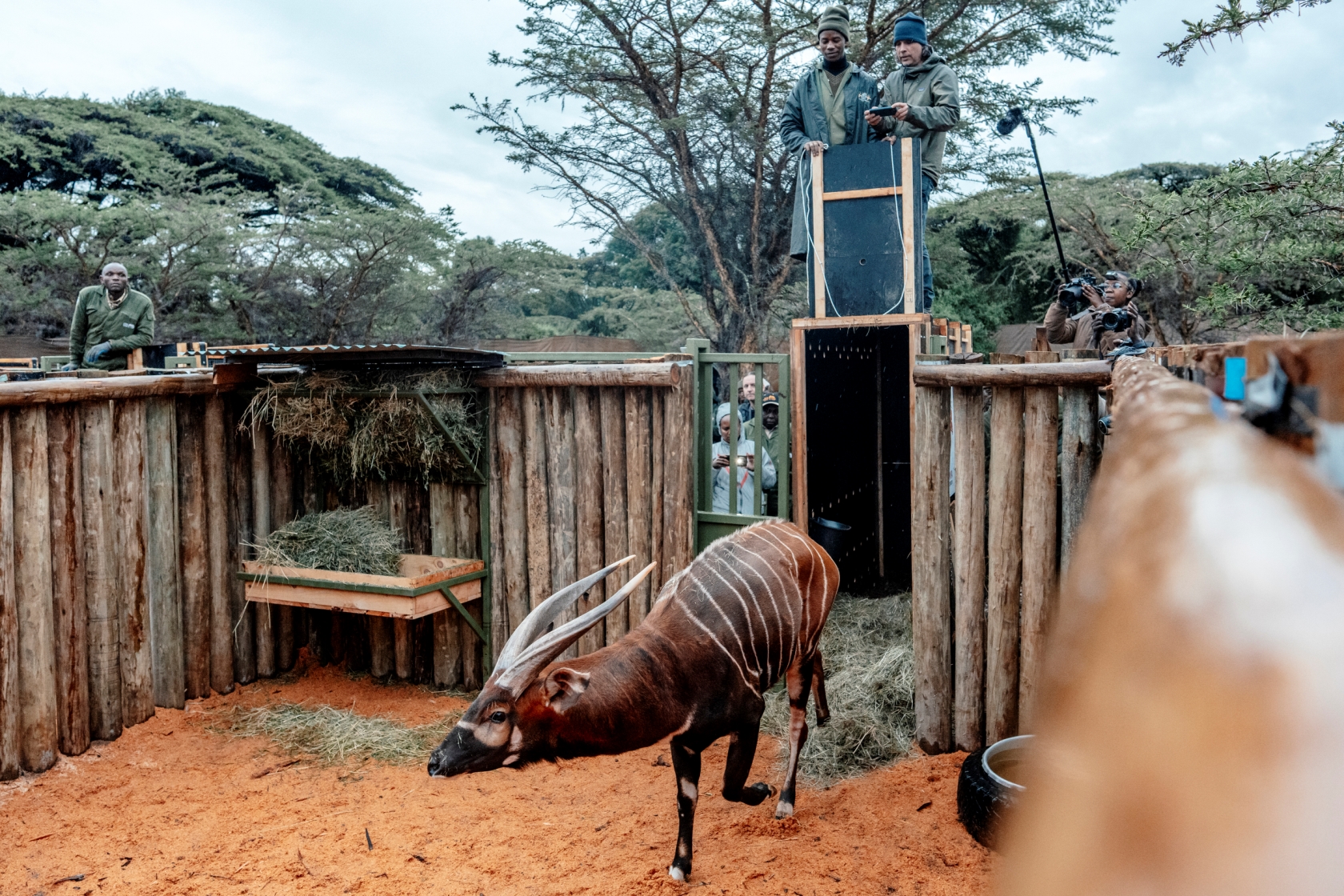
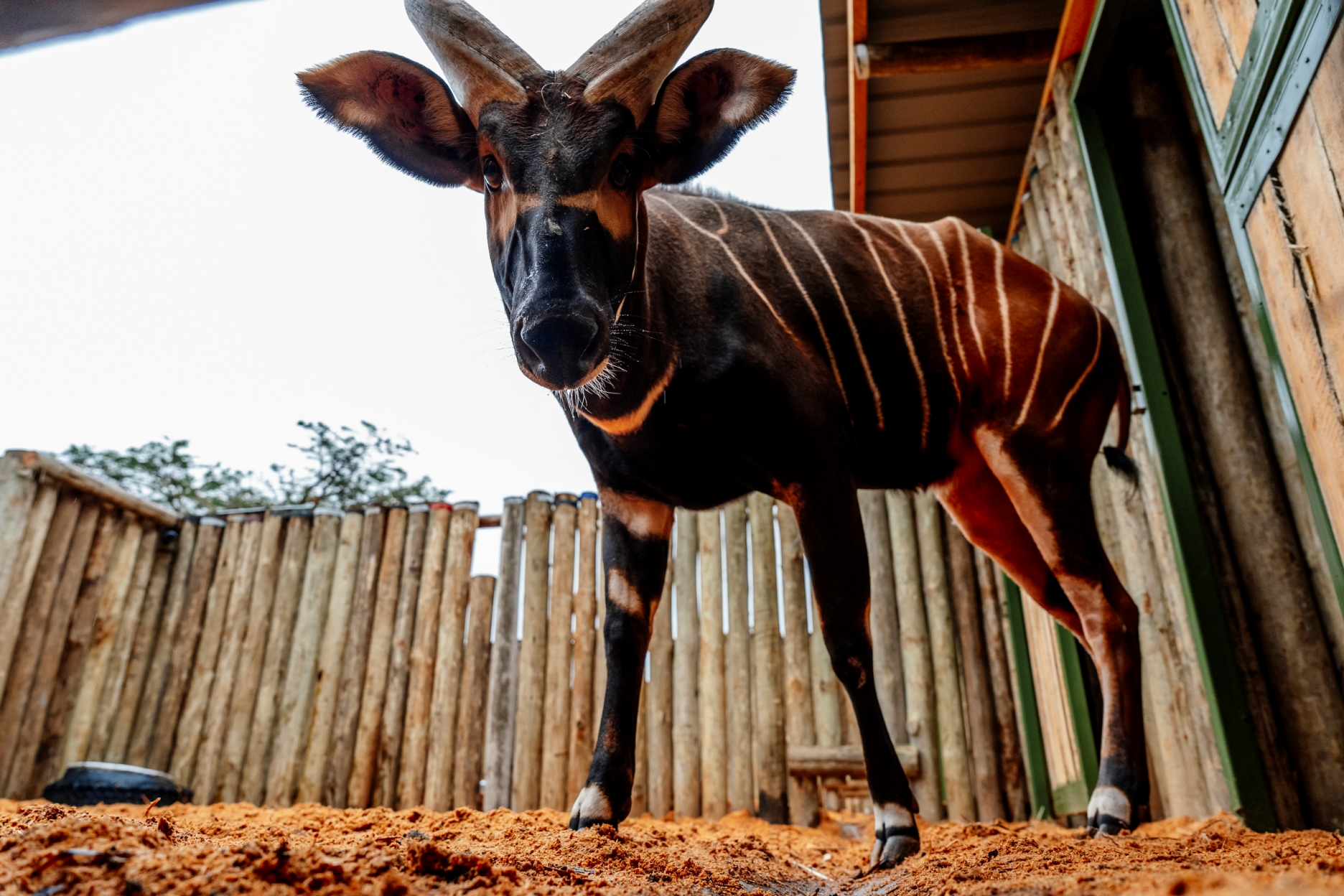
The last of the four males stepped into the prepared boma at Mount Kenya Wildlife Conservancy today at 7:44 a.m., almost exactly 48 hours after loading began in Dvůr Králové. According to the first observations, all four bongos are in good condition.
“The repatriation of mountain bongos from EAZA to Kenya took place under the patronage of the President of the Czech Republic, Mr. Petr Pavel. This highest level of recognition demonstrates not only the success of EAZA’s conservation efforts, but also confirms that the Czech Republic and other European countries consider nature conservation to be one of the fundamental pillars of cooperation with Kenya,” said Czech Ambassador to Kenya Nicol Adamcová, who symbolically handed over the critically endangered animals to the Kenyan government at Nairobi airport.
Kenya’s Cabinet Secretary for Tourism and Wildlife, Rebecca Miano, stated that the arrival of the four males represents an important milestone in the country’s broader national mountain bongo recovery programme.
“This moment reflects Kenya’s commitment to safeguarding its natural heritage through science-based and partnership-driven conservation. Every returned animal strengthens the National Mountain Bongo Recovery Action Plan and supports our broader strategy for restoring endangered species populations. At the same time, it reinforces Kenya’s leadership in global conservation and sustainable ecosystem management. The breeding and reintroduction programme at MKWC provides a model for future species restoration projects and demonstrates that coordinated approaches deliver measurable results,” Rebecca Miano said, highlighting the intercontinental conservation effort.
The ceremonial welcome for the mountain bongos was also attended by Jan Stejskal, Director of International Projects at SAFARI PARK and coordinator of the bongo repatriation to Kenya, as well as Nick Davis from Chester Zoo, coordinator of the European Endangered Species Programme (EEP) for mountain bongos.
“This transfer is the result of years of planning and collaboration. It demonstrates how EAZA and its member zoos can actively support species restoration through expert population management, international cooperation, and shared commitment. This is carefully designed population-level planning across continents that maximizes genetic value where it is needed most,” added Nick Davis.
The new males imported from Europe will significantly contribute to expanding breeding capacity, strengthening genetic diversity, and accelerating the reintroduction of the species within its historical range.
“The project of returning bongos to the landscape of their ancestors is a perfect example of how nature conservation transcends national and continental borders. Without the cooperation of many institutions, this transport would not have been possible. I would also like to highlight the crucial role of zoological gardens as reservoirs of genetically valuable populations. When situations become critical, as in the case of bongos in Kenya, zoos can — and in my opinion should — serve as modern-day Noah’s Arks. Here, this mission has succeeded, and we are very proud to contribute our part to helping the bongos,” said Prague Zoo Director Lenka Poliaková.
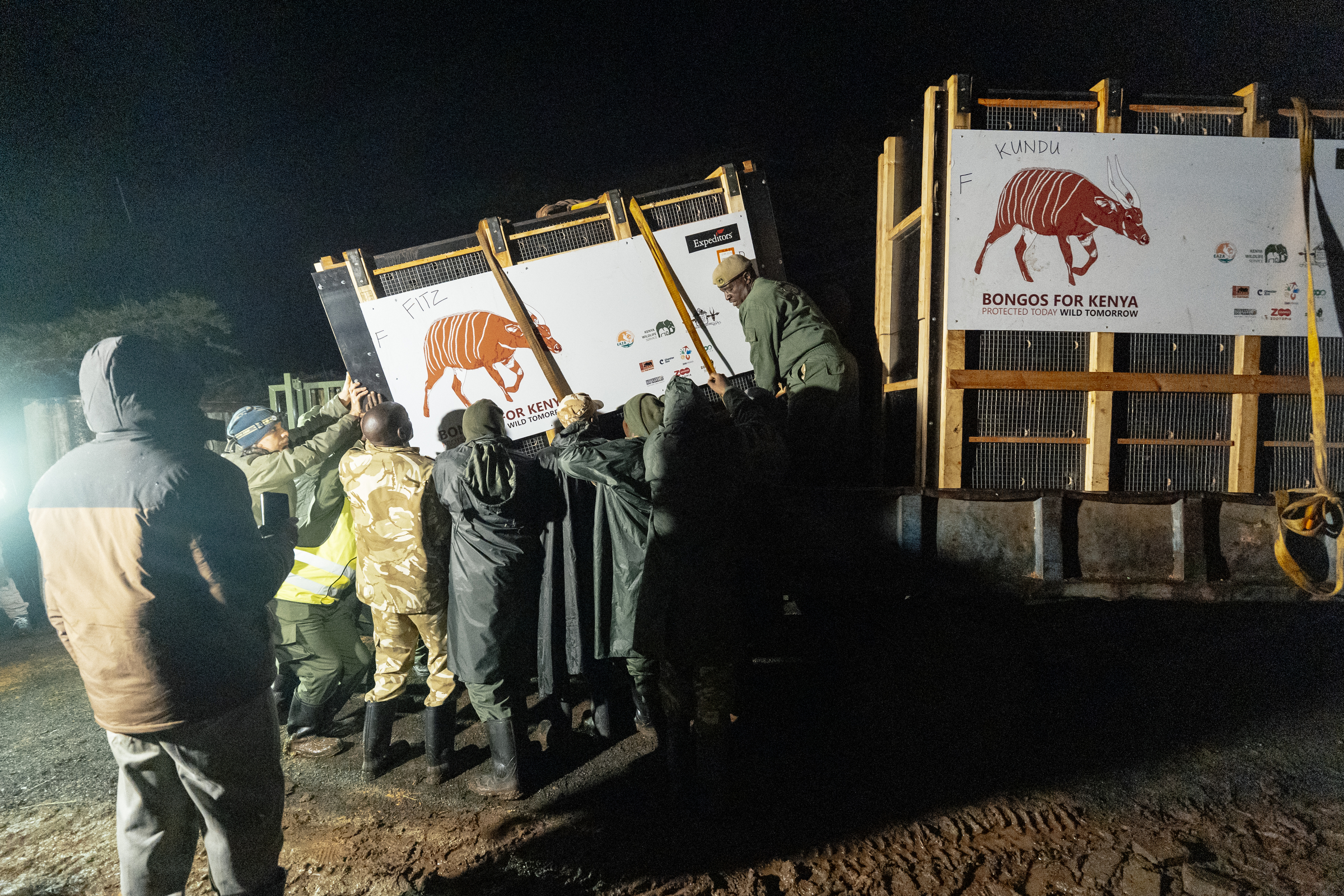
The bongos began their journey home from Dvůr Králové on the morning of Monday, 27 April. Loading started at 8 a.m. and lasted just over two hours. Lucie Křížová, a keeper from Prague Zoo, also came to bid farewell to the convoy. She had previously cared for one of the males selected for transport and initiated support activities at Prague Zoo for mountain bongo conservation in Africa. Prague Zoo is a key partner in the mountain bongo repatriation project.
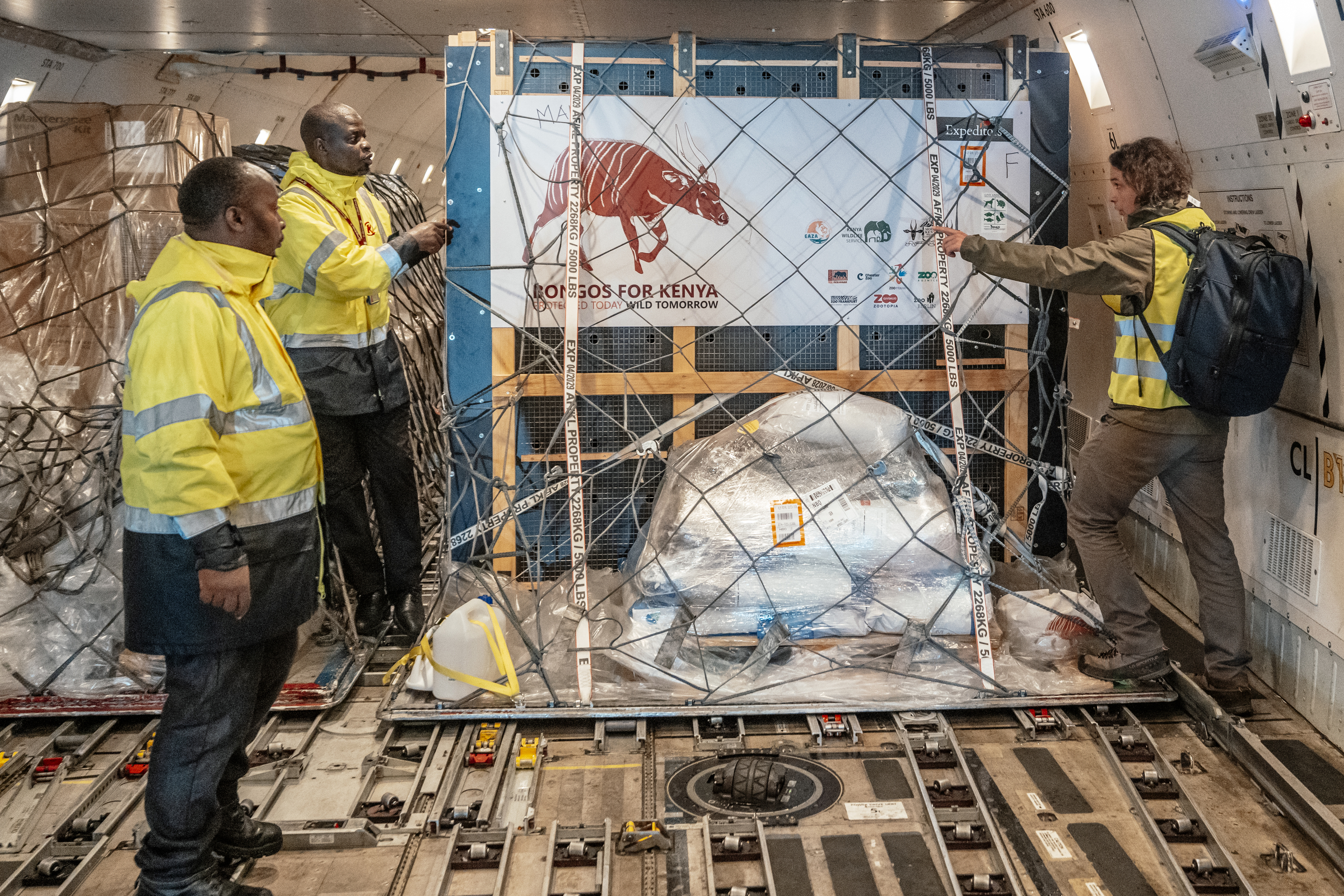
The aircraft carrying the precious cargo landed in Nairobi on 28 April at 8 p.m. after an approximately eight-hour direct flight from Amsterdam. More than half a tonne of feed and dietary supplements also travelled on board to assist the bongos with acclimatization.
Immediately after landing in Nairobi, the convoy carrying the four transport crates headed to Mount Kenya Wildlife Conservancy, where the local team had prepared optimal conditions for the animals’ gradual adaptation to their new environment. At MKWC, each animal will undergo a gradual acclimatization process and detailed monitoring before being integrated into the conservancy’s established breeding programme. The males will strengthen genetic diversity and increase reproductive potential, supporting the breeding of offspring suitable for future release into the wild.
“These males will become founders of new genetic lines within the mountain bongo conservation programme at Mount Kenya Wildlife Conservancy. The individuals were selected based on recommendations from the EEP coordinator at Chester Zoo. Genetic compatibility with the animals already in Kenya was the key criterion,” explained Safari Park Dvůr Králové Director Přemysl Rabas.
“This is an extraordinarily demanding project that demonstrates the high level of expertise of the people at SAFARI PARK and the other partner zoos, while also reminding us that international cooperation is essential in the conservation of endangered species. I sincerely thank everyone who contributed in any way to the success of the mountain bongo repatriation,” he added.
The bongos had been preparing for the demanding transport since the end of February in a specialized quarantine facility at Safari Park Dvůr Králové. Males gradually arrived in the Podkrkonoší region from Givskud Zoo, Zoo Bojnice, Prague Zoo, Zoo Berlin, and Zoo Frankfurt.
At SAFARI PARK, the animals underwent all necessary examinations as well as transport training. For two weeks, the males were cared for by two keepers from Mount Kenya Wildlife Conservancy, Erick Kibet Ngeno and Christine Gatoni Gichohi. The conservancy’s director, Robert Aruho, also carried out an inspection visit to assess the animals’ condition. All agreed that the males were in excellent health and fit for transport. The final selection of the four transported males was ultimately based solely on the genetic profile of each animal.
“The return of these four individuals strengthens Kenya’s conservation efforts and our ability to restore viable mountain bongo populations that are genetically diverse and ecologically resilient. Our goal is not simply to increase numbers, but to restore functional populations capable of thriving independently in secure habitats across the country. This can only be achieved through long-term investments in species and habitat restoration, grounded in science and guided by a clear vision,” concluded Kenya Wildlife Service Director General Erustus Kanga.
The Bongos for Kenya project represents an exemplary model of international cooperation, linking world-class ex-situ population management with the long-term, science-based restoration of one of Africa’s most endangered antelope species.
The visual identity of the bongo repatriation project was created by world-renowned fashion designer Andrea Vytlačilová, who comes from the East Bohemian village of Mžany.