Safari Park Dvůr Králové

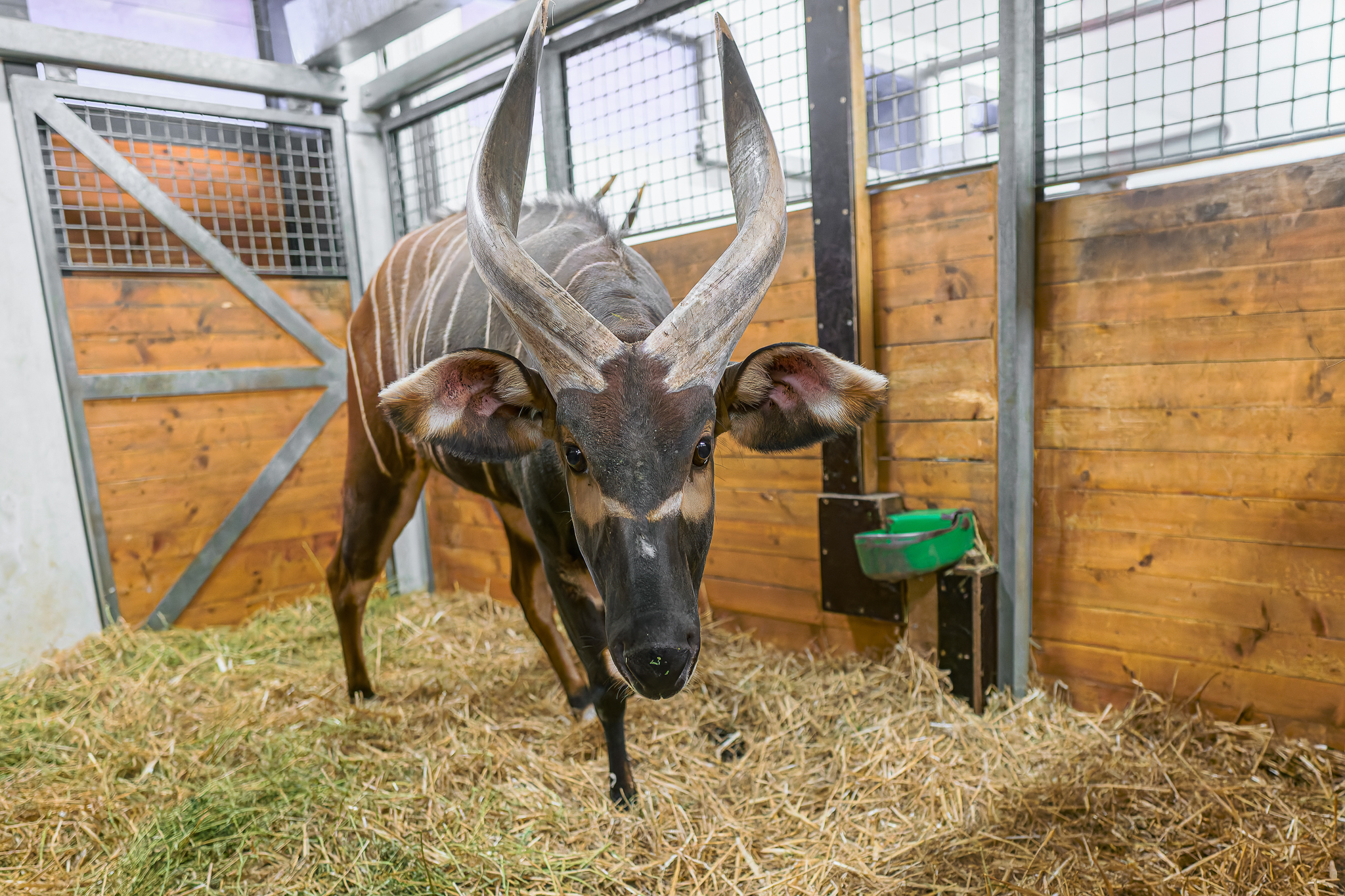
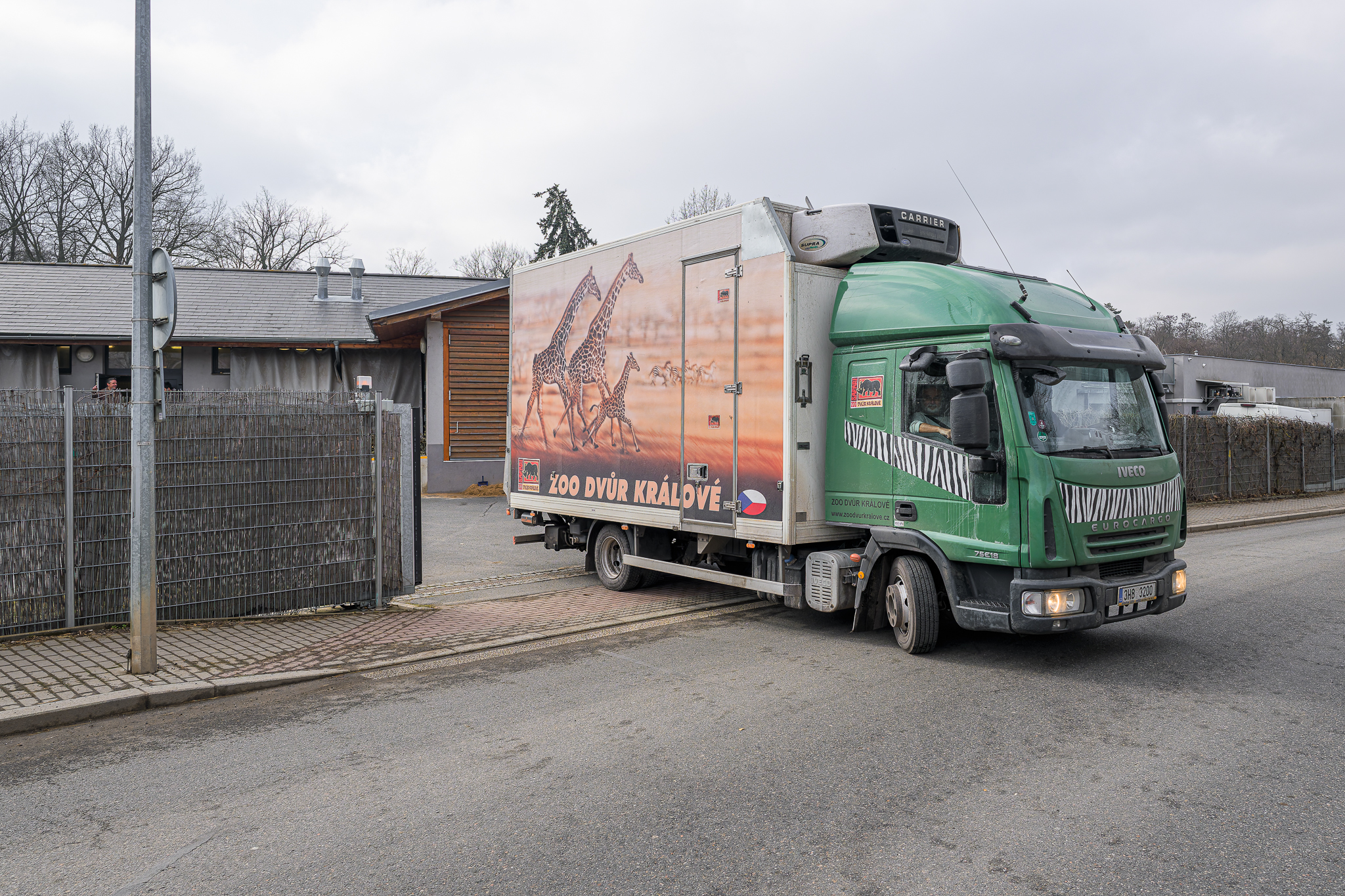
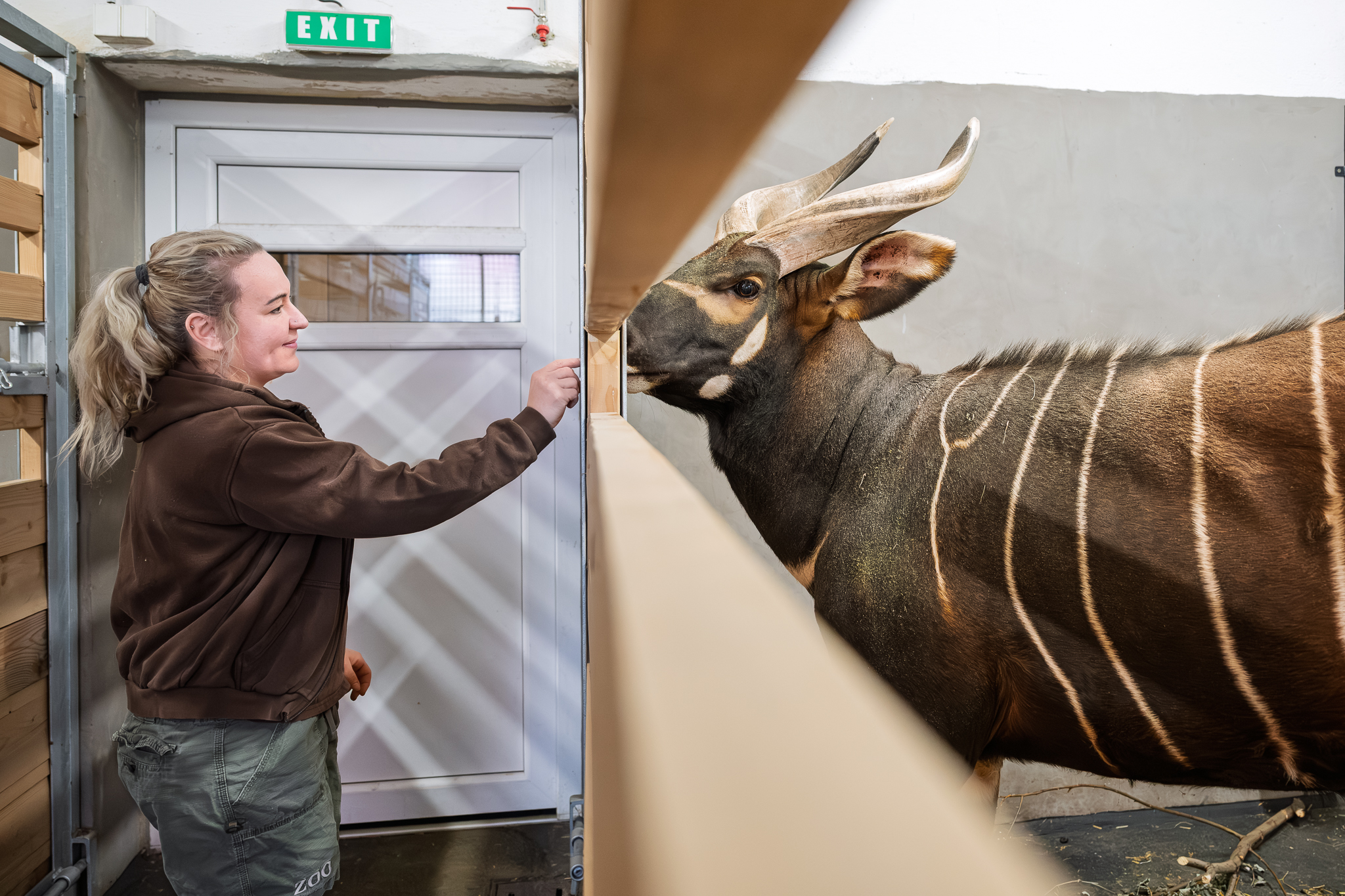
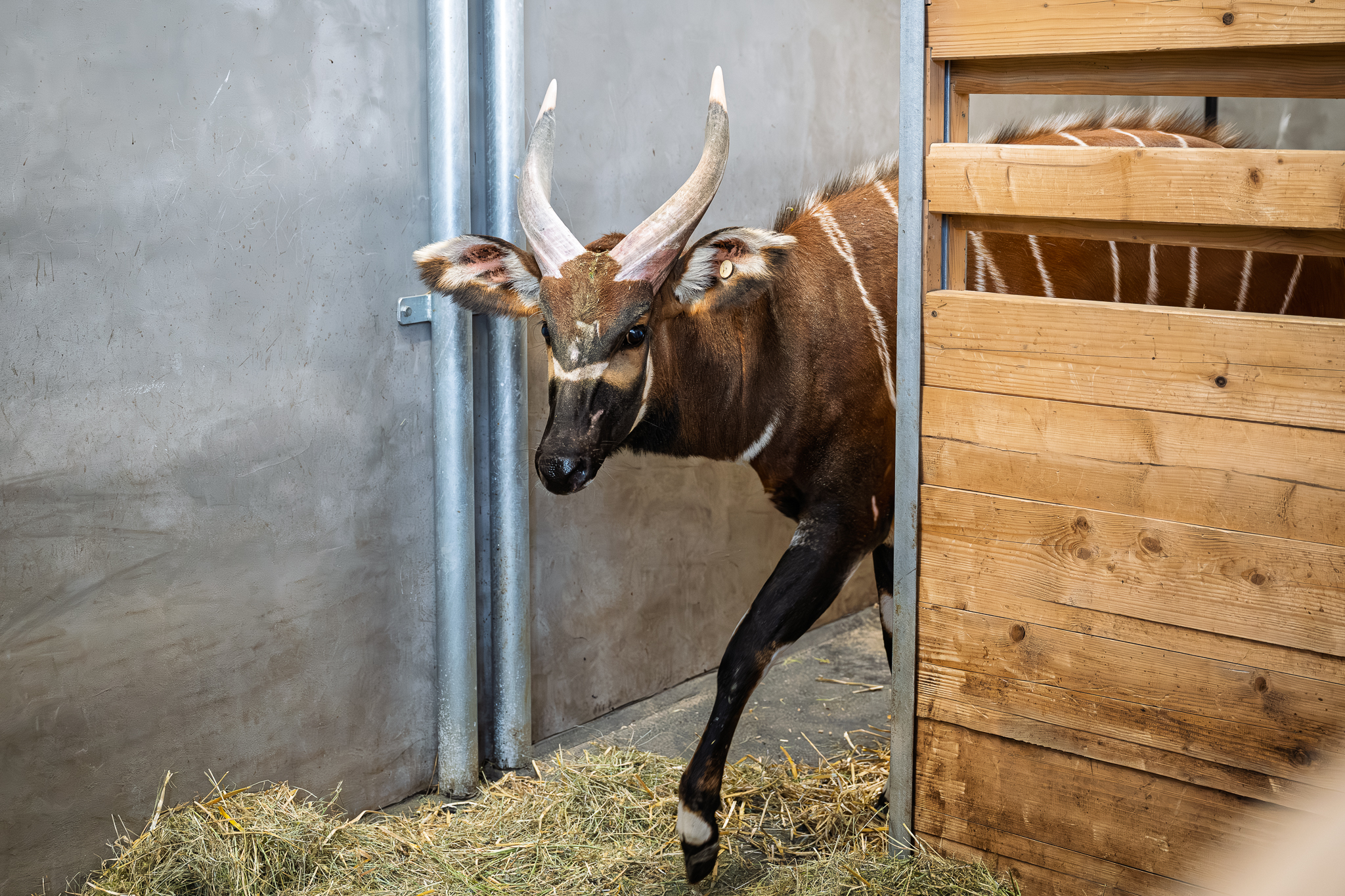
Five young male mountain bongos, one of the most endangered antelope species in the world, are being prepared for repatriation to Kenya. Ultimately, four of them will be transported to their wild homeland at the turn of April and May. SAFARI PARK is the main coordinator of the entire transport on behalf of the European Association of Zoos and Aquaria (EAZA), ensuring key aspects of the project including quarantine and logistics.
The transport itself will take place after completion of an intensive program of veterinary care, genetic assessment, and animal welfare management, overseen by EAZA and its member institutions. The project has received the patronage of the President of the Czech Republic, Petr Pavel.
“SAFARI PARK is one of the first zoos in Europe to have bred mountain bongos. The first animals were imported directly from Kenya by Josef Vágner. Since 1974, 109 calves have been born here, and all bongos selected by the EEP coordinator from European zoos for transport to Kenya carry Dvůr Králové bloodlines. Symbolically, they are returning home after more than half a century. SAFARI PARK has been developing conservation activities in Kenya for a long time, and its experience is why it has been entrusted with organizing such an important transport. An important factor is also our specialized quarantine facility. By returning mountain bongos to Kenya, Safari Park Dvůr Králové continues to fulfill its mission,” says Přemysl Rabas, Director of Safari Park Dvůr Králové.
SAFARI PARK coordinates the efforts of other EAZA member zoos—Prague Zoo, National Zoo Bojnice, Frankfurt Zoo, Zoo and Tierpark Berlin, and Givskud Zoo—to return mountain bongos to Africa. The transport is being prepared in a geopolitically turbulent time, with maximum caution and prudence.
“Prague Zoo has supported not only habitat restoration but also research and monitoring of bongos in cooperation with Mount Kenya Wildlife Conservancy (MKWC) for several years. The current transport of bongos to Kenya is an excellent example of the true mission of modern zoos and a reminder that conservation efforts know no national or continental borders. Together with our visitors and participants in experiential programs involving bongos kept in Prague, we can share this powerful story and thus gain further support for the protection of these exceptionally charismatic mammals. In many ways, this represents the closing of a symbolic circle, connecting ex situ conservation, in situ conservation, and public education,” says Barbora Dobiášová, Curator of Ungulates at Prague Zoo.
MKWC is also supported financially by SAFARI PARK through the legendary ČSOB Safari Run and the Wildlife account.
The animals are being sent to Kenya as a contribution of the European Endangered Species Programme (EEP) to increase the genetic diversity of the population in Africa. The transport will support the development of viable offspring for future reintroduction projects. With knowledge of 98% of pedigrees, over 91% genetic diversity, and low levels of inbreeding, the EEP represents one of the most strictly managed conservation population initiatives for antelopes in the world.
The selection of males was carried out by the EEP coordinator from Chester Zoo and his team based on strict scientific criteria, including genetic representation, mean kinship values, appropriate age, and behavioral suitability. All selected individuals are already sufficiently represented in the European population, ensuring that their transfer will not jeopardize the long-term viability of the European population while maximizing conservation benefits in Kenya.
“This project is the result of years of coordinated genetic and demographic planning within the EEP,” says Raymond van der Meer, Director of Conservation and Population Management at EAZA. “The animals were selected to maximize genetic value for the restoration of the mountain bongo population in Kenya, while maintaining a stable and sustainable population in Europe. Animal welfare and veterinary care guide every step—from health screening and quarantine to specialized transport planning and post-arrival care. This initiative is also a strong example of targeted population-level coordination between European and Kenyan partners. It demonstrates how well-managed populations in human care can contribute to species recovery directly in their natural habitats.”
Veterinary preparation for repatriation is extensive and based on the precautionary principle. Each animal undergoes comprehensive disease screening in accordance with import requirements of the Kenyan Directorate of Veterinary Services, including a strictly defined quarantine period during which additional health checks are carried out prior to shipment.
Quarantine takes place at Safari Park Dvůr Králové, an EAZA member institution with an internationally approved export quarantine facility and extensive experience in transporting large ungulates to Africa. Throughout the process, veterinary supervision is ensured in cooperation with European and Kenyan regulatory authorities. Upon arrival at Jomo Kenyatta International Airport (JKIA) in Nairobi, the four males will be formally received by the Kenya Wildlife Service (KWS) and transported under veterinary supervision in a vehicle convoy to MKWC.
“This project demonstrates Kenya’s strong commitment to applying internationally recognized best practices in species restoration and conservation. Through close collaboration with EAZA and other conservation partners, the repatriation is guided by strict biosecurity protocols, science-based population management, and long-term habitat restoration and protection. This integrated and strategic approach strengthens national efforts to restore viable and self-sustaining populations of mountain bongos. As a species endemic to Kenya and of significant national conservation value, the successful recovery of the mountain bongo remains a key priority within KWS’s broader biodiversity conservation agenda,” says Dr. Erustus Kanga, Director General of KWS.
At MKWC, each animal will undergo gradual acclimatization and detailed monitoring before being integrated into the established breeding program. The males will enhance genetic diversity and increase reproductive potential, supporting the breeding of healthy offspring suitable for future reintroduction into the wild.
“These males represent a key component of our rewilding program. Having reached the milestone of 100 mountain bongos born at Mount Kenya Wildlife Conservancy, we are now focusing on long-term growth in line with the national goal of reaching at least 750 individuals by 2050. The addition of these genetically valuable males will strengthen our breeding structure, accelerate population growth, and play a crucial role in building a resilient population capable of supporting reintroduction and long-term recovery in Kenya’s forests,” says Robert Aruho, Director of MKWC.
This repatriation represents a model example of international cooperation, linking advanced ex situ population management with long-term, science-based restoration of one of Africa’s most endangered antelope species.
________________________________________
Quotes
Chester Zoo – Dr. Nick Davis, EEP Coordinator for Mountain Bongo
“This is a truly historic moment for mountain bongo conservation in Africa and for European zoos that have worked tirelessly to save this species. The mountain bongo is one of Africa’s rarest large mammals, and with likely fewer than 100 individuals remaining in the wild, it is on the very brink of extinction in nature.
Fortunately, the species is thriving in assurance populations in European zoos, where significant breeding successes in recent years have helped establish a healthy and genetically robust population. Based on age, health, and important genetic value, five males were carefully selected. Four of them will travel to Kenya and provide crucial support to increase numbers at Mount Kenya Wildlife Conservancy.
Collaboration of this kind is essential if we are to prevent the complete disappearance of this remarkable species. It shows how modern, science-based zoos play an important role in bringing species back from the brink of extinction—and gives real hope for the future of the mountain bongo.”
Frankfurt Zoo – Christina Geiger, Director
“Frankfurt Zoo has kept mountain bongos since 1970. The first calf in Europe was born here in 1973—and to date, a total of 29 calves have been born,” says Director Christina Geiger. “I am proud that Frankfurt Zoo is part of this important international conservation project. The return of bongos to Kenya demonstrates that the IUCN’s One Plan Approach delivers results. Its goal is to bring together all relevant stakeholders—governments, zoos, conservation organizations, and scientists—to jointly protect biodiversity. In this case, the shared goal is to ensure that bongos once again roam freely in Mount Kenya National Park.”
Givskud Zoo – Rasmus Sebastian Nielsen, Director
“The mountain bongo is not only one of the most endangered animals in our zoo, but also one of the most beautiful and fascinating antelopes in the eyes of our visitors. Combined with its remarkable behavior, it has long been a favorite species at Givskud Zoo.
This strategic contribution to population recovery represents a milestone for our zoo and our conservation work. It highlights the importance of the One Plan Approach, where ex situ and in situ conservation work closely together. The mountain bongo—our flagship species since 1994—is now returning to the wild in Kenya, fully aligning with our conservation priorities.”
National Zoo Bojnice – Andrea Klasová, Director of Marketing and Education
“For us at National Zoo Bojnice, this is an exceptionally powerful moment—seeing an animal born in our care become part of an international effort to return the species to the wild. It is clear evidence that the work of modern zoos has a deeper meaning—not only in animal care but also in actively contributing to their return to natural habitats. Projects like this give real purpose to our daily work.”
Zoo and Tierpark Berlin – Christian Kern, Director
“Returning animals from human care to their natural environment is always a deeply emotional and powerful moment for us. Berlin Zoo acquired its first mountain bongos in 1971, and over generations many calves have been born here. For more than 55 years, our animal care experts have worked tirelessly to protect this beautiful yet critically endangered antelope.
Zoo Berlin is honored to be part of an exceptional team of conservationists from different fields and cultures working together to return the eastern bongo to Kenya. Based on experience from other reintroduction projects, we know that conservation measures can succeed, and we wish this initiative every success in returning bongos to their homeland.”
________________________________________
Mountain Bongo
The mountain bongo is the world’s largest forest antelope, endemic to Kenya. Its range is restricted to a few isolated afro-montane forests in central Kenya. Its population has suffered a devastating decline since the 1950s due to intense poaching (for bushmeat and live trade), diseases (particularly the rinderpest outbreak of the 1980s), and habitat degradation and conversion. According to the IUCN Red List, the mountain bongo is critically endangered, and the latest census published by the Kenyan government suggests that fewer than 70 individuals may remain in the wild, with populations highly fragmented, limiting gene flow. Estimates suggest that the wild population does not exceed 100 animals. They occur in the Aberdare Mountains (<50 individuals); Mount Kenya (10–15); Eburu Forest (around 10); Maasai Mau Forest Complex (20+); and Southwest Mau Forest (<10). Numbers continue to decline.
________________________________________
Mount Kenya Wildlife Conservancy (MKWC)
Mount Kenya Wildlife Conservancy (MKWC) is a non-profit organization focused, among other activities, on breeding and rewilding mountain bongos. It launched its reintroduction program in 2004 with 18 animals already present at the conservancy and supplemented them with an additional 18 individuals imported from zoos in the United States the same year. Since then, the animals have acclimatized to the conditions of Mount Kenya, adapted successfully, and begun breeding.
To accelerate rewilding, MKWC established the first mountain bongo sanctuary in 2022. Named Mawingu Sanctuary, it is located within the Mount Kenya Forest Reserve, a known historical range of the species, and directly adjoins Mount Kenya National Park. Its establishment enables MKWC and the Kenya Wildlife Service (KWS) to seamlessly integrate breeding and reintroduction efforts.
The population has now grown to over 100 individuals, more than 20 of which have already been released into the sanctuary.