Safari Park Dvůr Králové

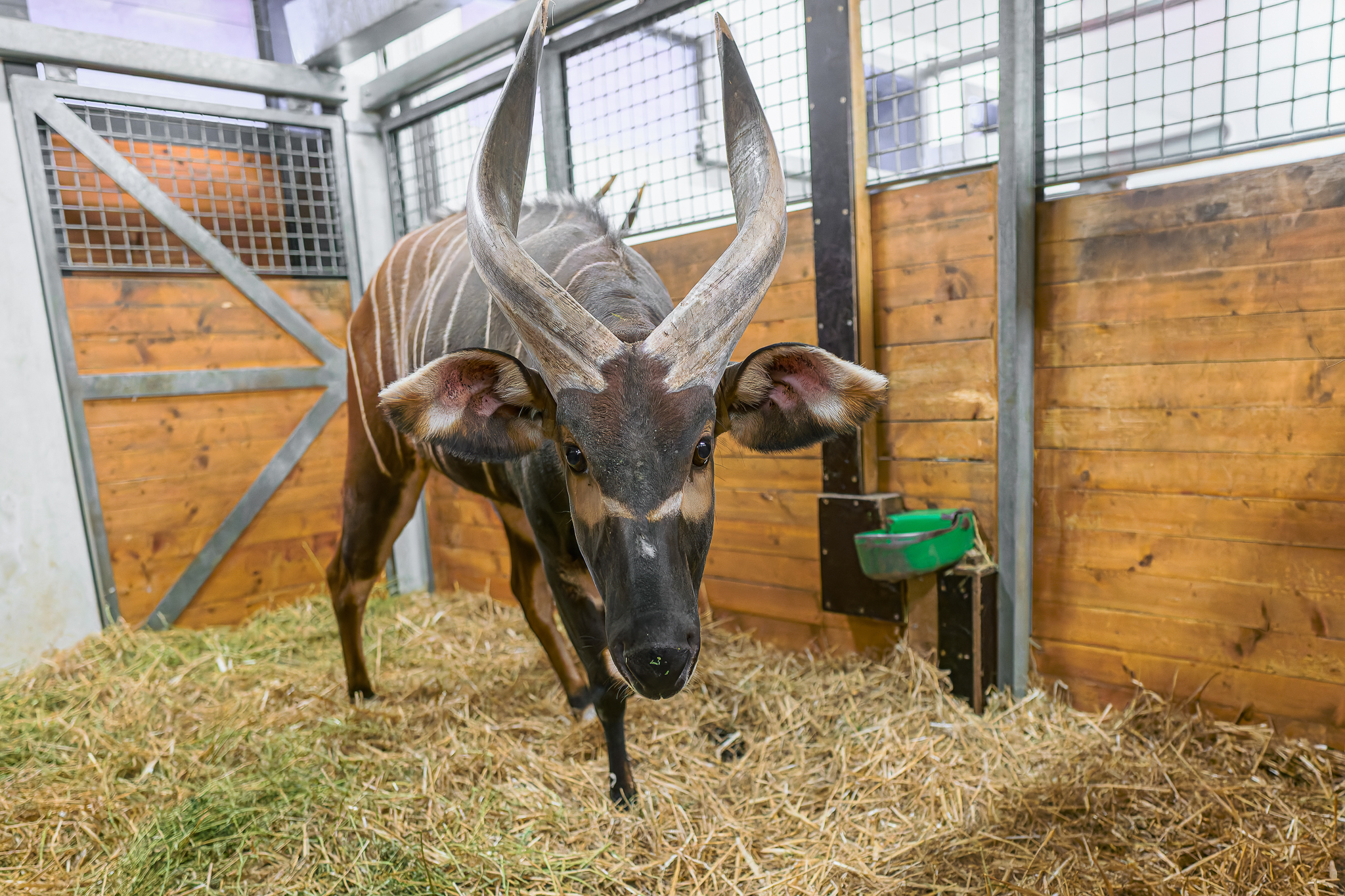
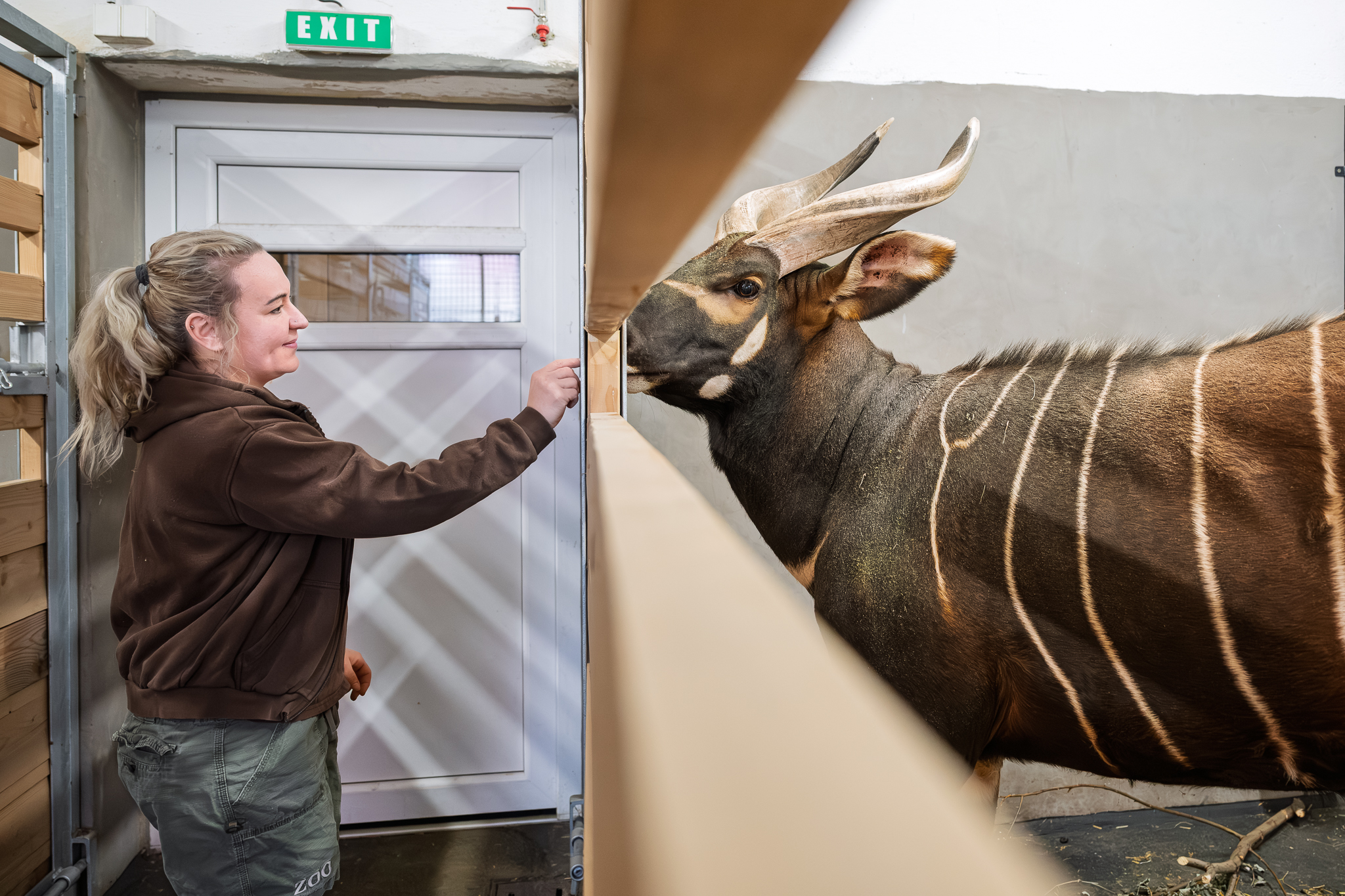
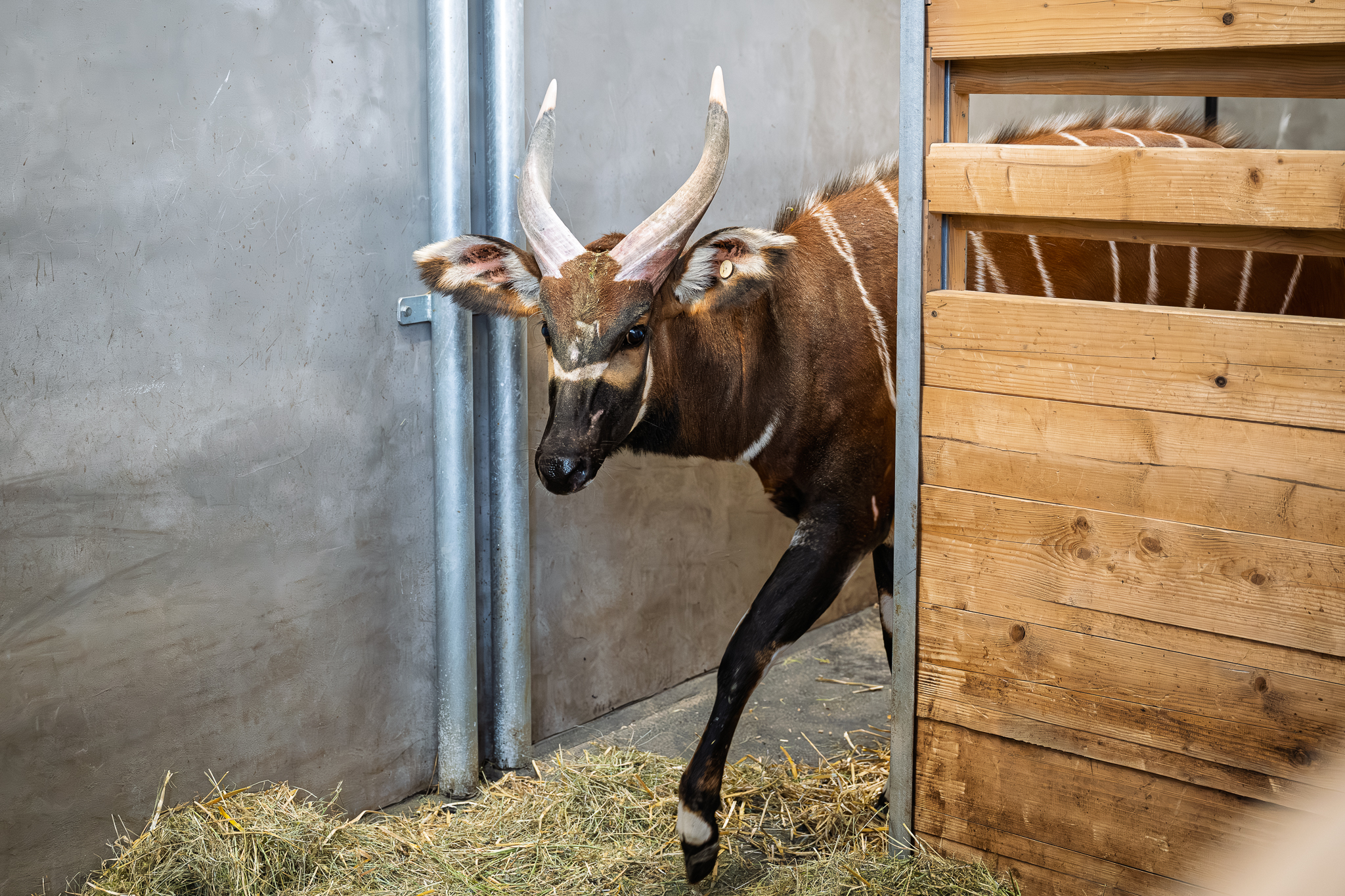
Five young mountain bongo males, one of the world’s most endangered antelope species, have been preparing for repatriation to Kenya. Ultimately, four of them will travel to their wild homeland at the turn of April and May. SAFARI PARK serves as the principal coordinator of the entire transport on behalf of the European Association of Zoos and Aquaria (EAZA). It is responsible for key parts of the project, including quarantine and logistics.
HELP THE BONGOS ON THEIR JOURNEY HOME!
CZK 200 contribution towards flight costs
CZK 500 contribution towards flight costs
Any donation to the Wildlife conservation fund
The transport itself will take place following an intensive programme of veterinary care, genetic assessment and animal welfare management coordinated by EAZA and its member institutions. The project has received the patronage of the President of the Czech Republic, Petr Pavel.
“SAFARI PARK was one of the first zoos in Europe to begin keeping mountain bongos. The first animals were brought directly from Kenya by Josef Vágner. Since 1974, 109 calves have been born here, and all bongos selected by the EEP coordinator from European zoos for transport to Kenya also carry Dvůr Králové bloodlines. Symbolically, they are returning home after more than half a century. SAFARI PARK has been actively involved in conservation work in Kenya for many years, and these long-term experiences are one of the reasons we were entrusted with organising such an important transport. Another important factor is that we have a specialised quarantine facility built specifically for these purposes. By returning mountain bongos to Kenya, Safari Park Dvůr Králové continues fulfilling its mission,” says Přemysl Rabas, Director of Safari Park Dvůr Králové.
SAFARI PARK is coordinating the efforts of additional EAZA member institutions — Prague Zoo, National Zoo Bojnice, Frankfurt Zoo, Zoo Berlin and Givskud Zoo — to return mountain bongos to Africa. The transport is being prepared during an exceptionally turbulent geopolitical period while maintaining the highest level of caution and responsibility.
The animals were selected to maximise the genetic value for restoring Kenya’s mountain bongo population while simultaneously maintaining a stable and sustainable European population.
“Prague Zoo has for several years supported not only habitat restoration, but also research and monitoring of bongos in cooperation with Mount Kenya Wildlife Conservancy (MKWC). The current transport of bongos to Kenya is an excellent example of the true mission of modern zoological gardens and a reminder that conservation efforts know no national or continental borders. Together with our visitors and participants in experiential programmes involving the bongos kept in Prague, we can share this powerful story and thereby gain further support for the protection of these exceptionally charismatic mammals. In many respects, this represents the closing of a symbolic circle, connecting ex situ conservation, in situ conservation and public education,” says Barbora Dobiášová, Curator of Hoofstock at Prague Zoo.
MKWC is also supported by SAFARI PARK through funding from the legendary ČSOB Safarun and the Wildlife conservation account.
The animals are travelling to Kenya as a contribution from the European Endangered Species Programme (EEP) to increase the genetic diversity of the African population. The transport will support the establishment of viable offspring for future rewilding projects. With 98% of pedigrees known, more than 91% genetic diversity and a low level of inbreeding, the EEP represents one of the most rigorously managed conservation breeding initiatives for antelope species in the world.
The selection of the males was carried out by the EEP coordinator from Chester Zoo and his team based on strict scientific criteria, including genetic representation, mean kinship values, age suitability and behavioural fitness. All selected individuals are already well represented within the European population, ensuring that their transfer will not compromise the long-term viability of the European breeding programme while maximising conservation impact in Kenya.
“This project is the result of years of coordinated genetic and demographic planning within the EEP programme,” says Raymond van der Meer, Director of Conservation and Population Management at EAZA. “The animals were selected to maximise genetic value for restoring Kenya’s mountain bongo population while preserving a stable and sustainable population in Europe. Animal welfare and veterinary assurance determine every step — from health screening and quarantine to specialised transport planning and post-arrival care. This initiative is also a powerful example of targeted population-level coordination between European and Kenyan partners. It demonstrates how well-managed populations of animals under human care can contribute directly to species recovery in their natural habitats.”
Veterinary preparation for repatriation is extensive and based on the precautionary principle. Each animal undergoes comprehensive disease screening in compliance with import requirements established by the Kenya Directorate of Veterinary Services, including a strictly defined quarantine period during which additional health checks are performed before departure.
Quarantine takes place at Safari Park Dvůr Králové, an EAZA member institution with an internationally approved export quarantine facility and decades of experience transporting large ungulates to Africa. Throughout the process, veterinary oversight is ensured in cooperation with European and Kenyan regulatory authorities. After arrival at Jomo Kenyatta International Airport (JKIA) in Nairobi, the four males will be formally received by the Kenya Wildlife Service (KWS) and transferred under veterinary supervision by convoy to MKWC.
“This project demonstrates Kenya’s strong commitment to implementing internationally recognised best practices in species recovery and conservation. Through close cooperation with EAZA and other conservation partners, the repatriation is guided by strict biosecurity protocols, science-based population management and long-term habitat restoration and protection. This integrated and strategic approach strengthens national efforts to restore viable and self-sustaining mountain bongo populations. As a species endemic to Kenya and of major national conservation significance, the successful recovery of the mountain bongo remains one of the key priorities within the broader KWS species recovery and biodiversity conservation agenda,” says Dr Erustus Kanga, Director General of KWS.
At MKWC, each animal will undergo gradual acclimatisation and detailed monitoring before being integrated into the conservancy’s established breeding programme. The males will strengthen genetic diversity and increase reproductive potential, supporting the breeding of healthy offspring suitable for future reintroductions into the wild.
“These males represent a critical component of our rewilding programme. Having reached the milestone of 100 mountain bongos born at Mount Kenya Wildlife Conservancy, we are now focused on long-term growth in line with the national target of at least 750 individuals by 2050. Acquiring these genetically valuable males will strengthen our breeding structure, accelerate population growth and play a vital role in building a resilient population capable of supporting the return of the species to the wild and its long-term recovery in Kenya’s forests,” says Robert Aruho, Director of MKWC.
This repatriation represents an exemplary model of international cooperation, linking advanced ex situ population management with long-term, science-based recovery efforts for one of Africa’s most endangered antelope species.